
ClickSud
226 films and series from Romania, Moldova and Turkey, 1960 to 2026, chosen for the whole household.
Romanian series
More »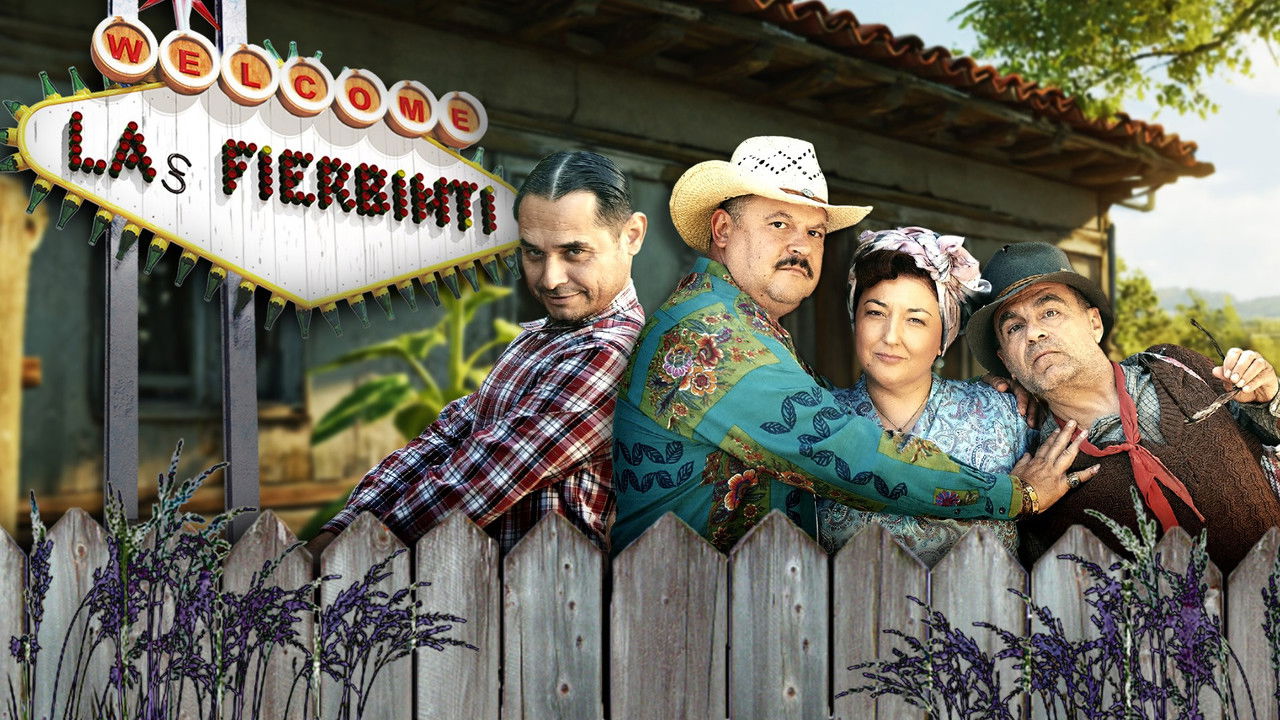


Turkish series
More »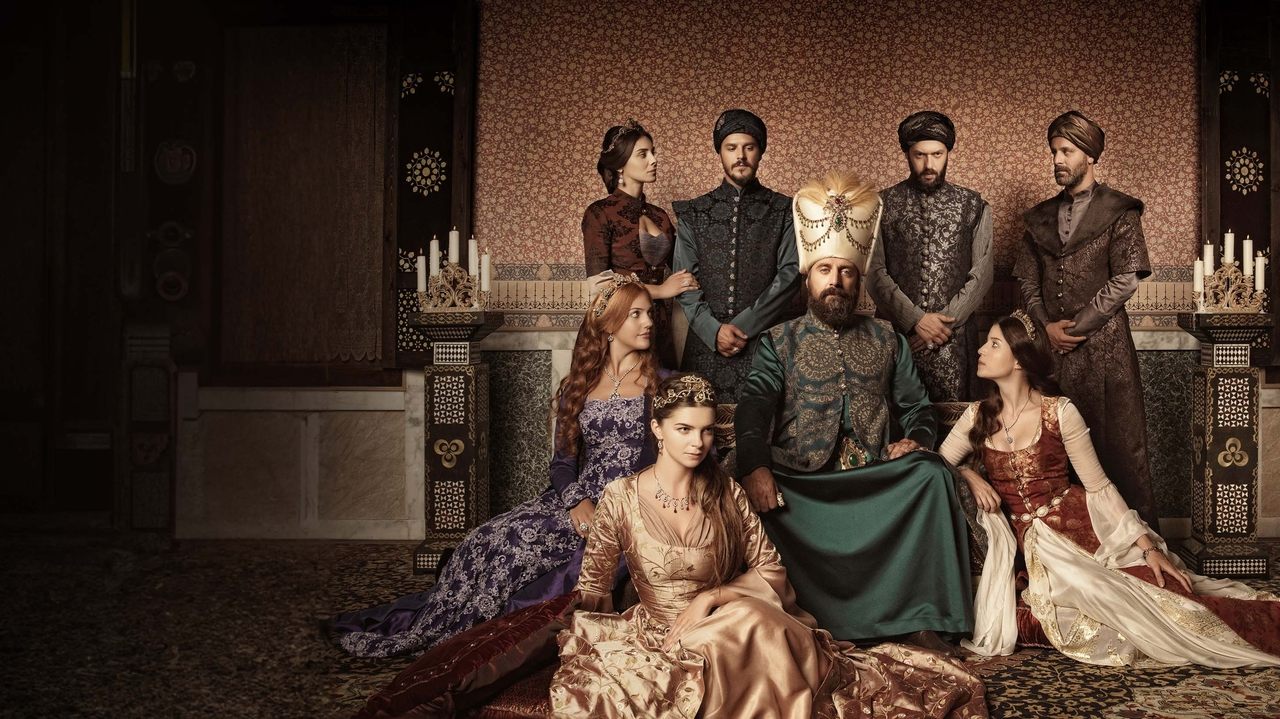


Romanian comedy
More »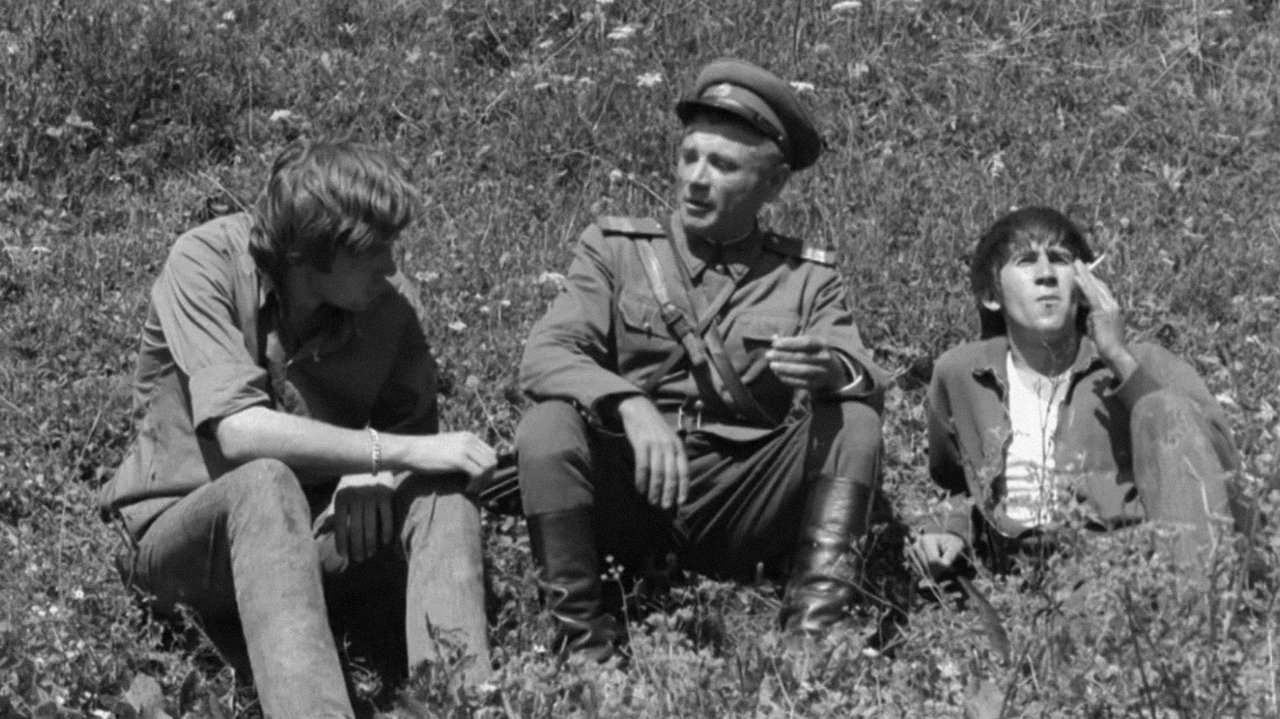



Romanian classics
More »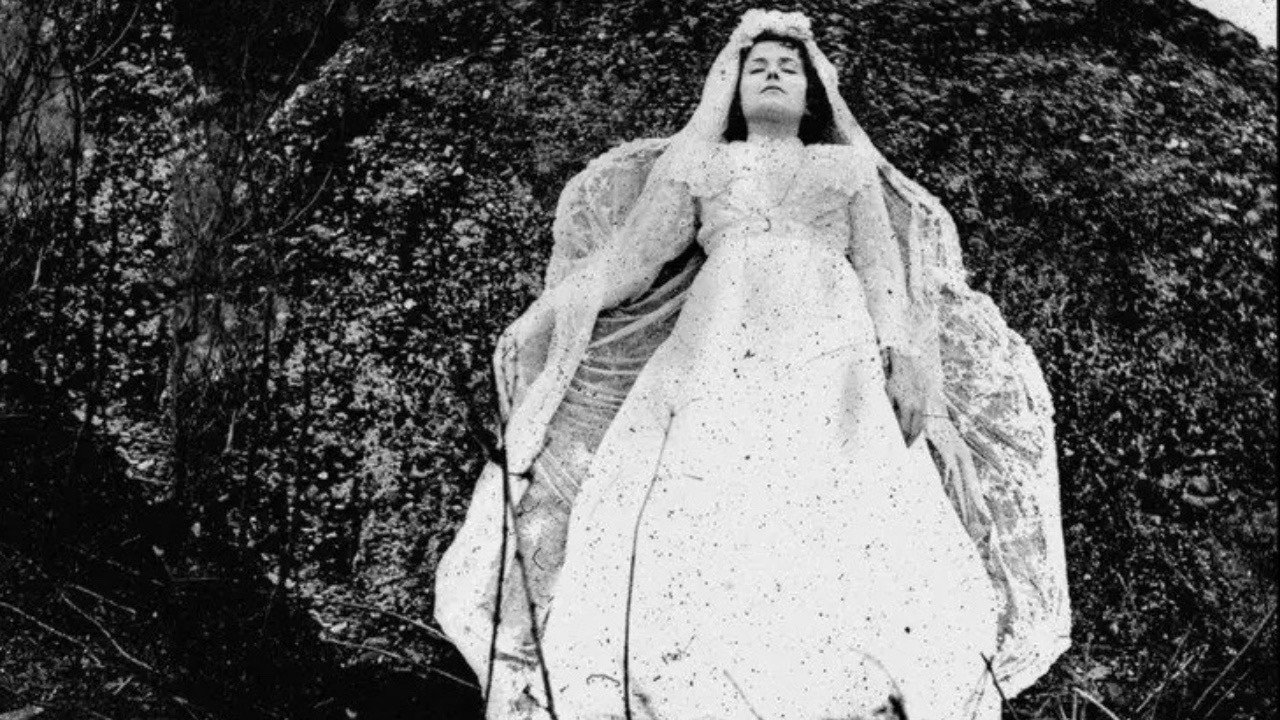

Turkish films
More »

Recent films
More »


For the family
More »
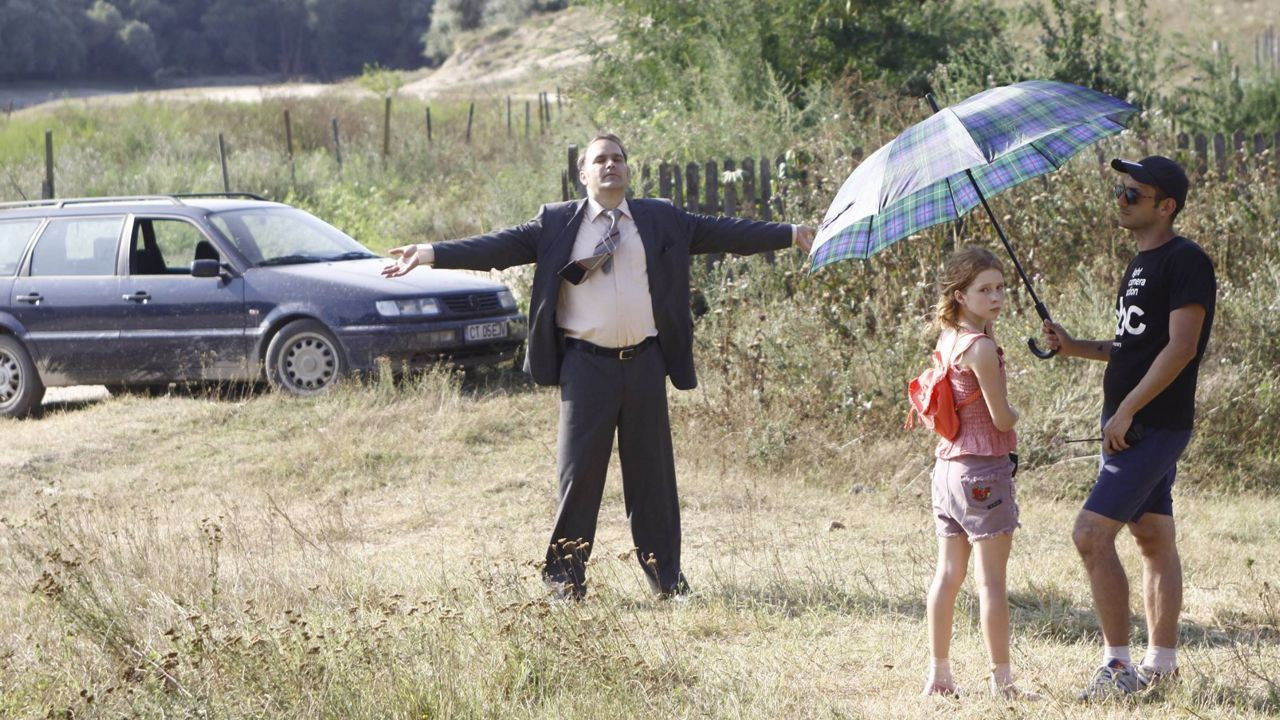
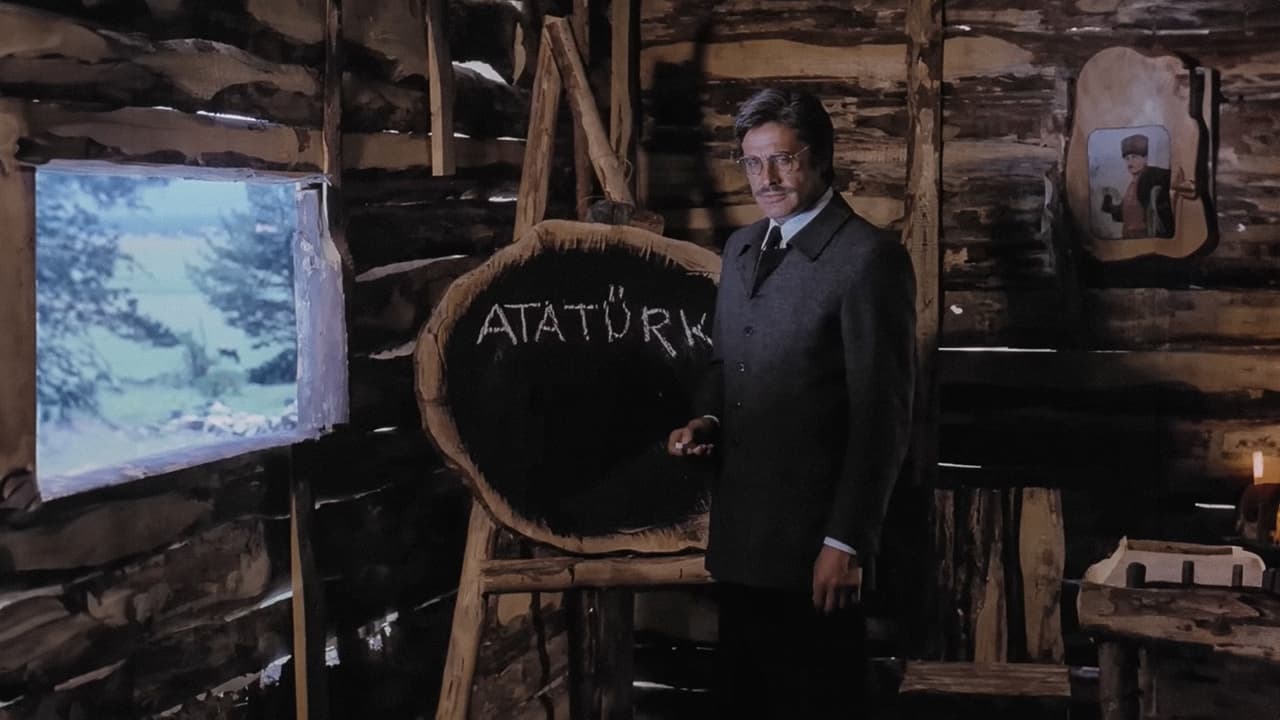
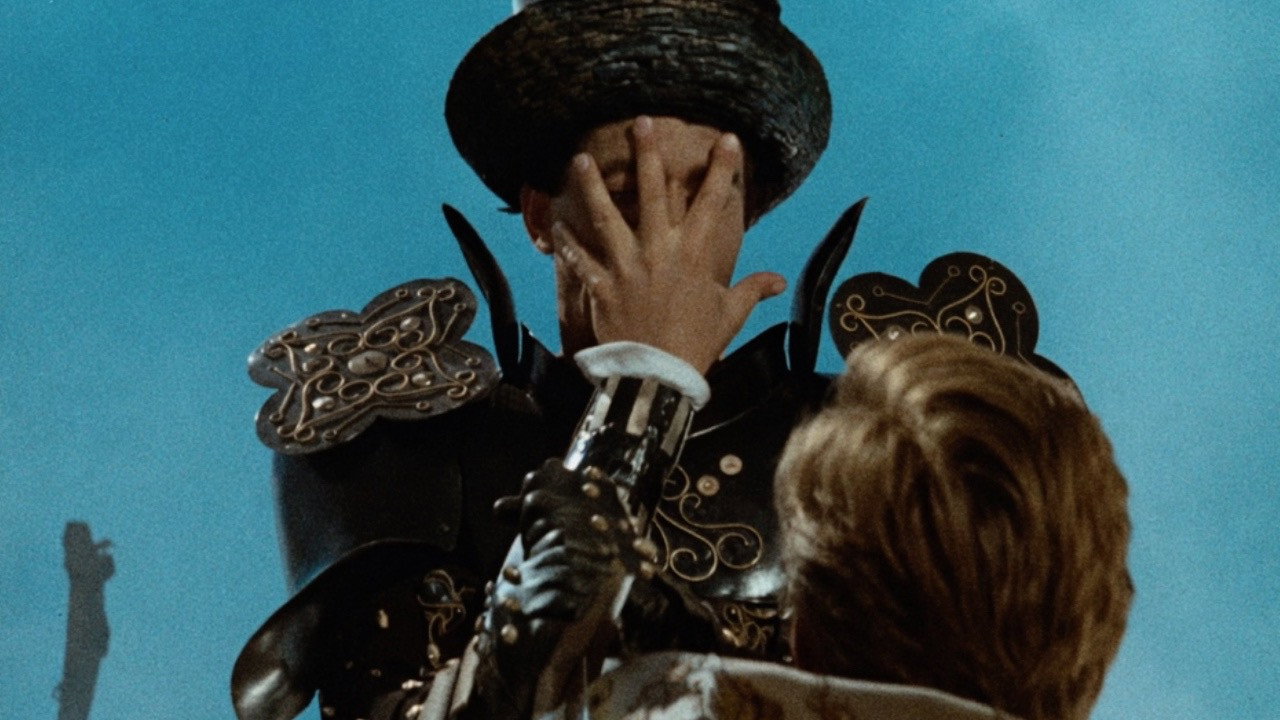
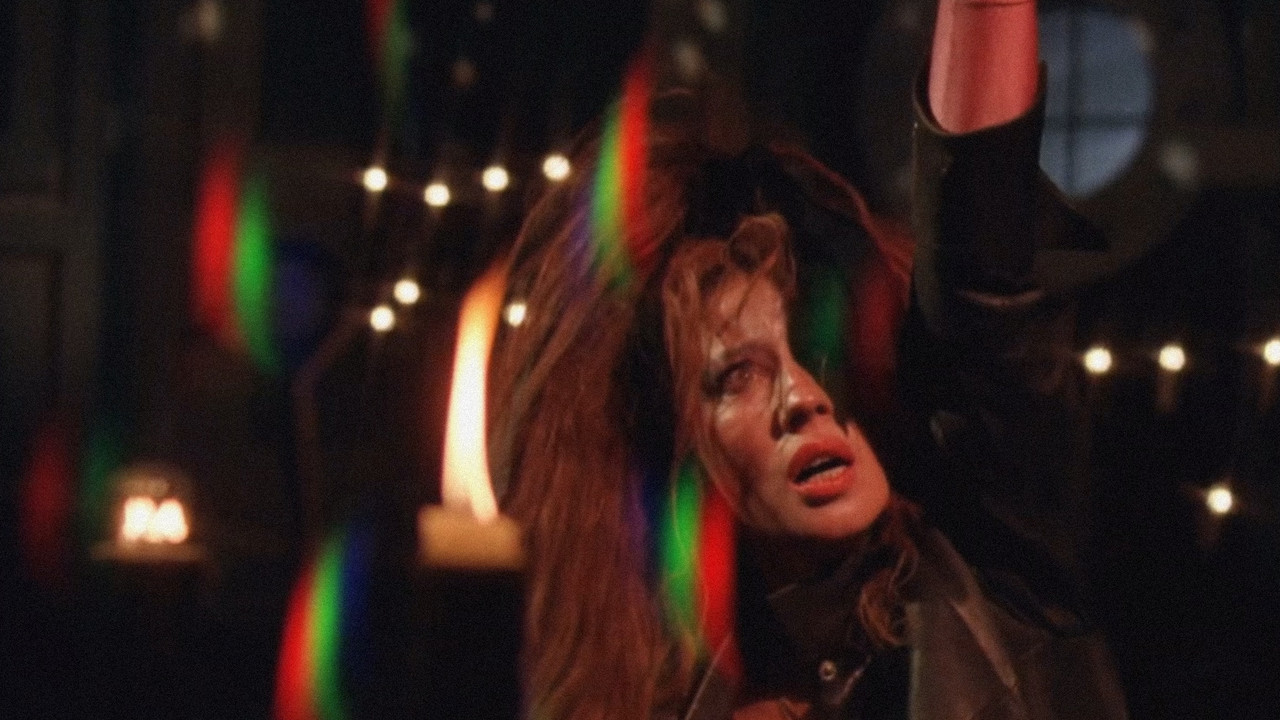
Labels
Romanian films 165Turkish films 38Romanian series 8Turkish series 15All series 23Comedy 86Drama 111Romance 32Family 32History and adventure 33Fantasy and science fiction 16Music 12Short films 9The 1960s 20The 1970s 50The 1980s 531990 to 2009 16The 2010s 502020 onwards 37Top rated 49
The ClickSud guide to Romanian and Turkish screen stories
ClickSud: Romanian and Turkish films and series, from Las Fierbinti, The Magnificent Century and Hercai to Metronom, Reconstruction and The Japanese Dog
Two screen traditions meet on this page. One comes from Romania and its neighbour Moldova: a cinema of sharp comedies, swashbuckling outlaws, folk tales filmed with real affection and, since the turn of the century, some of the most admired small dramas in Europe. The other comes from Turkey, whose television dramas now travel to more than a hundred countries and whose popular films of the sixties and seventies are loved at home the way old musicals are loved elsewhere. Romanian viewers have long followed both, which is why the two sit side by side on ClickSud. This guide introduces 226 films and series from those traditions, each chosen with a family audience in mind, and each with a Watch now button that leads to the official services carrying it.
The catalogue runs from 1960 to 2026. It holds 165 Romanian and Moldovan films, 38 Turkish films, eight Romanian television series and fifteen Turkish ones. The guide below walks through them shelf by shelf: the comedies first, then the classics of the sixties, seventies and eighties, the outlaw adventures, the books and plays brought to the screen, the films for children, the newer Romanian cinema, the short films, and the series and films from Turkey. Along the way it names the actors and directors worth following, suggests where to begin, and explains how the search, the labels and My List work.
What ClickSud is
ClickSud is a viewing guide. It hosts neither films nor episodes; it describes them and points to the places where they may be watched properly. Every title has a page of its own with the story, the year, the running time, the director, the leading cast and the original title beside the English one, which matters a good deal here, since many of these films are far better known as Operațiunea Monstrul or Muhteşem Yüzyıl than under any translation. On that page the Watch now button opens JustWatch, an independent directory, for the country you select, and JustWatch lists the subscription, rental, purchase and free services that offer the title there. The how to watch page sets out the three steps in full.
Every summary in the catalogue was read by hand before the title was admitted. Reality and talent programmes, daily serials, crime stories, films of the battlefield, horror and dramas made for adults were set aside, so that what remains can be browsed freely with children in the room. A handful of the dramas deal with illness, loss or the hardships of earlier decades, and a note later in this guide lists them for parents who like to know in advance.
Where to begin
A newcomer to Romanian film should begin with laughter. Operation 'The Monster', made in 1976, sends five office colleagues on a fishing trip to the Danube Delta in pursuit of a legendary giant catfish, with their wives kept firmly in the dark. Toma Caragiu, Octavian Cotescu and Marin Moraru, three of the finest comic actors the country has produced, play men whose dignity dissolves a little further with every mile from Bucharest. Half a century on, Romanians still quote it at one another. Follow it with Autumn of the Goslings, in which three new graduates are posted to a village 599 kilometres from the capital, and you will have met the two great subjects of the national comedy: the office and the countryside.
For television, begin with Las Fierbinti, the comedy series set in a small village a short drive from Bucharest. It has run since 2012 and has passed 850 episodes, and its cast of characters, the mayor, the policeman, the bar owner, the friends Giani and Bobiță, are as familiar in Romania as any family member. For a first Turkish title choose The Magnificent Century, the palace drama about Sultan Süleyman and Hürrem that opened the world's eyes to Turkish television, or the love story Hercai, filmed in the honey-coloured stone town of Midyat. For a first recent film choose The Japanese Dog, a gentle story of a widowed farmer and the son who returns from Japan with a wife and child, or Metronom, about a seventeen-year-old in the Bucharest of 1972.
Romanian comedy
Eighty-six titles in the catalogue are comedies, and the Romanian comedy guide arranges the best of them. The tradition begins on the stage with Ion Luca Caragiale, the playwright whose satires of provincial politics and small ambitions have been performed continuously since the 1880s. Telegrams, from 1960, turns one of his sketches, told entirely in an exchange of ever more indignant telegrams between a country town and the ministry, into a brisk film with the great Grigore Vasiliu-Birlic. A Lost Letter is his masterpiece: on the eve of an election a compromising love letter goes astray, and everyone in town with something to gain or to hide sets out to find it. The 1977 production gathered a cast of the best stage actors of the day. Birlic also leads The Boors, after the Venetian comedy by Carlo Goldoni, and The Teacher's Correspondence, in which a schoolmaster is taxed for two buffalo that exist only on paper.
Vasile Alecsandri, a generation before Caragiale, created Chirița, a provincial lady of boundless social ambition, and Draga Olteanu Matei plays her to the hilt in Cucoana Chirița and Chirița în Iași. The first finds her newly returned from Paris and determined that the whole household shall follow French fashion; the second takes her to the Moldavian capital in search of husbands for her daughters. The Nest of Wasps, from a play of the 1930s, belongs to the same family: three formidable sisters rule a wealthy merchant clan, and a young journalist who marries into it learns what he has taken on. Tamara Buciuceanu-Botez leads the sisters with relish.
The comedies of the seventies and eighties were made under a watchful state, and their makers became expert at gentle mischief. The village of Viișoara is the setting for a trilogy by Mircea Moldovan. In Autumn of the Goslings a French teacher, a doctor and an agricultural engineer arrive as strangers and are taken in hand by the villagers; in Winter of the Goslings the men of the village have left for factory jobs to escape the redoubtable Varvara, who runs the cooperative farm; and in Spring of the Goslings, made twelve years after the first film, the shepherd, the plum brandy and Varvara are all found exactly where they were left. Geo Saizescu, the most prolific comic director of the period, is represented by A Midsummer Day's Smile, The Saturday Night Dance, in which a lorry driver falls for two girls at once, and Hurry Slowly, about an important man always in a rush and the absent-minded young walker he meets on the road.
Other favourites from those decades include Repeated Wedding, in which a divorced couple, she an agricultural engineer and he a vet, are posted to the same village; The Premiere, set backstage at a Bucharest theatre in the nervous days around an opening night, with Toma Caragiu and Radu Beligan; Totally Unprepared, a zig-zag revue of comic types; Mitică Popescu, about a bank clerk secretly devoted to the lady who owns the bank; The Castellans, in which two men quietly farming fish and frogs in a pond defend their arrangement against a young reformer; and Love at Zero Degrees, a musical romance in colour at a ski resort. Miss Litoral, from 1991, takes a family to a seaside beauty contest.
Comedy today is livelier than ever. Taxi Drivers rides through one Bucharest night with two cabmen of opposite temperaments and the dozens of passengers who climb into their back seats. In The Perfect Candidate an unemployed man runs for president in order to win his neighbour's parking space, unaware that a party has plans of its own for him. In-laws brings two families together to plan a wedding and discovers that a shared taste for television serials, eighties pop and plum brandy can unite almost anyone; Mircea Diaconu and Luminița Gheorghiu are the elders. Wedding in Bessarabia follows a young conductor from Bucharest and a pianist from Moldova who hold a second wedding across the border in the hope of generous gifts. Death on Holiday, Investors, Love Sorry, Situationship and Love in the Countryside are light entertainments of the last few years, and Chasing rainbows tells two stories of ordinary people who believe that sudden riches are within reach.
The classics, 1960 to 1989
One hundred and twenty-three titles in the catalogue were made before 1990, most of them Romanian, and the Romanian classics guide picks a path through them. Romanian studios in those decades produced twenty to thirty features a year at the Buftea lots outside Bucharest, and the best directors learned to say a great deal between the lines. The most famous single film of the period is Reconstruction, directed by Lucian Pintilie in 1968. Two students have had a drunken scuffle at a riverside restaurant. Instead of charging them, a prosecutor has them re-enact the incident for an educational film about the dangers of drink, while a policeman, a teacher and a film crew look on and a crowd drifts past on its way to a football match. The day grows hotter and the re-enactment more absurd, and the ending is sobering. The film was withdrawn from cinemas soon after it opened and has since been voted the best Romanian film ever made in more than one poll of critics. It is for older viewers.
The Mornings of a Sensible Youth, from 1967, follows a school leaver who has failed his university entrance and sets out from home to work on a building site and find his own way; Dan Nuțu, the face of his generation, plays him. Meanders, by Mircea Săucan, is a poetic study of two former classmates, one daring and one comfortable. A Movie with a Charming Girl stars the singer Margareta Pâslaru as a young woman convinced that charm will carry her into an acting career. Three Times Bucharest offers three short stories by three directors for the five hundredth anniversary of the city, and Gaudeamus igitur follows five school leavers into student life at Cluj.
The seventies brought a new generation. Dan Pița and Mircea Veroiu made The Stone Wedding together in 1973, two tales from the mountain villages of Transylvania photographed in black and white of great beauty: in the first a widow labours with her horse to care for her ailing daughter, and in the second a wandering musician carries off a bride. Pița went on to Filip the Kind, about a young man looking for an honest place in life; A Summer Tale, the rise and fall of a grasping landowner with Victor Rebengiuc; Poor Ioanide, from a novel about an architect; and Contest, in which an orienteering competition in the forest becomes a test of character. Veroiu made Beyond the Bridge, the story of Mara, a market woman who raises two children alone in a growing town, and the dreamlike Hyperion.
Mircea Daneliuc announced himself with The Long Drive, in which two lorry drivers must deliver a gigantic piece of machinery across the country and give a lift to a young woman on the way. His later The Cruise rewards the best young workers from the factories with a boat trip down the Danube, where the organisers quarrel over procedure while the young people look for fun; it is one of the slyest comedies of its time. Fox Hunting portrays a stubborn peasant of the 1950s, and Jacob, with Dorel Vișan as a gold miner supporting a large family, is a powerful and demanding drama. Alexandru Tatos made his debut with Red Apples, in which Mircea Diaconu plays a principled young doctor posted to a provincial hospital, and followed it with Astray and The House Between the Fields.
A group of dramas looks closely at working lives. Steps in the Sky concerns the men who string high-voltage lines across the mountains; The Man We Need, a concrete expert torn between his family and the building sites; Last Days of Summer, an engineer who longs for a quieter post; The City Seen from Above, a headmistress who becomes mayor; Sunday Father, a divorced engineer who sees his son at weekend go-kart races; The Green Grass of Home, a university teacher who returns to his native village; and Angela Goes On, a woman who drives a Bucharest taxi and hopes for companionship. Sand Cliffs, in which a surgeon on holiday accuses a young carpenter of theft and pursues the matter beyond all reason, was taken out of circulation days after its release and is now regarded as one of the key films of the eighties.
The decade closes with Passo Doble and The White Lace Dress by Dan Pița, The Season of Love, A Light on the 10th Floor with Irina Petrescu, A Swan in Winter, about a ballerina and an engineer, and Flames Over Treasures, set in a Transylvanian gold mine. Two lives of remarkable Romanians belong here as well: Aurel Vlaicu, about the engineer who built and flew his own aeroplanes, and Stefan Luchian, with Ion Caramitru as the painter of flowers. Doctor Poenaru and Prides are portraits of medical men, both with Victor Rebengiuc.
Outlaws, Mărgelatu and the Transylvanians
Romanian cinema has its own answer to the western and the musketeer film, and the outlaws and adventure guide lists every one in the catalogue. The haiduks were the outlaws of the eighteenth and early nineteenth centuries, bands who lived in the forests of Wallachia and troubled the foreign-appointed princes and their tax collectors; in ballads they share their takings with the poor. The director Dinu Cocea turned the ballads into a cycle of colourful adventure films. The Outlaws, from 1966, sets two stepbrothers at the head of a band. The later films follow Captain Anghel Șaptecai, played with enormous dash by Florin Piersic, and the tavern keeper Anița, played by Marga Barbu: The Outlaws of Sevenhorses, The Dowry of Lady Ralu and The Week of the Madmen, in which the band trades a princess's dowry for arms. Toma Caragiu appears as a defrocked priest who has joined the outlaws.
Cocea returned to the subject with a pair of films about a historical figure, a young nobleman who changed sides: Iancu Jianu, Tax Collector and Iancu Jianu, Outlaw, both with Adrian Pintea. Florin Piersic, meanwhile, became even more popular as Mărgelatu, a laconic adventurer of the 1840s with a wide-brimmed hat, a multi-barrelled pistol and a pocketful of sunflower seeds, who serves a secret brotherhood of patriots in the years before the revolution of 1848. The catalogue holds five of his adventures: Yellow Rose, The Mysteries of Bucharest, The Silver Mask, The Turquoise Necklace and All Scores are Settled. Marga Barbu is his elegant adversary Agatha. The sword fights and chases are staged in the spirit of a Saturday serial.
The Actress, the Dollars and the Transylvanians belongs to a trilogy unlike anything else in European cinema: three brothers from Transylvania, played by Ilarion Ciobanu, Ovidiu Iuliu Moldovan and Mircea Diaconu, find themselves in the American West of the 1880s, where their mountain common sense proves a match for gunslingers and swindlers alike. The Romanian Musketeer chases a stolen manuscript of Prince Dimitrie Cantemir across the Europe of the eighteenth century, The Martens Brothers films Mihail Sadoveanu's beloved novel of the court of Stephen the Great, and The Poseidon Explosion is a modern adventure in which firemen discover a dangerous cargo aboard a burning ship in the port of Galați.
Books and plays on the screen
Many Romanian films began as novels and plays that every schoolchild in the country reads, and the books and plays guide pairs each film with its source. Felix and Otilia adapts George Călinescu's novel of Bucharest before the First World War: young Felix arrives to study medicine and lodges with his miserly guardian, in whose decaying mansion lives the captivating, unpredictable Otilia, while a set of grasping relatives circles the old man's fortune. It is a long, richly decorated film and a fine introduction to the Romanian novel. Beyond the Bridge draws on Ioan Slavici's Mara, and The Moromete Family 3: Father and Son, directed by the veteran Stere Gulea in 2024, completes a trilogy drawn from the world of Marin Preda, with the peasant philosopher Ilie Moromete now old and his youngest son a rising writer in the 1950s.
The Inn Between the Hills derives from a ghostly tale by Caragiale about a traveller bewitched at a roadside inn, Intemperance from a novel about a tanner's household, and The Impossible Love from a long novel about a builder of new towns. Ciprian Porumbescu tells the short life of the composer whose Ballad for violin every Romanian knows, and Darclée that of Hariclea Darclée, the soprano for whom Puccini wrote the title role of Tosca. From beyond Romania come The Boors, after Goldoni, and Michael, the Dog That Sang, which the director Sergiu Nicolaescu took from Jack London's story of an Irish terrier carried off to sea and into the circus.
Fairy tales and films for children
Thirty-two titles are gathered under the Family label, and the family viewing guide sorts them by age. Romanian studios took children's films seriously, and one director above all, Elisabeta Bostan, devoted her career to them. Her Kingdom in the Clouds, from 1968, films the folk tale of the prince who sets out to find the land of youth everlasting: he must grant three wishes of an emperor's daughter, fetch three golden objects and answer three riddles posed by the Lord of Time. The costumes and painted landscapes have the look of an illustrated storybook. Bostan also made Circus Performers at the North Pole, in which the circus family Marcelloni and the polar bear Fram outwit rivals and kidnappers; A Smile Of The Sun, a musical about the last days of school; and Reach for the Sky, about a small gymnast training for the Olympic team in the country that gave the sport Nadia Comăneci.
The animator and director Ion Popescu-Gopo, who won the Palme d'Or for a short cartoon in 1957, brought the tales of Ion Creangă to the screen with a wink. The White Moor retells the story of Harap Alb, the youngest son of a king, sent on an impossible errand with five peculiar companions, and The Bet, with songs and animated interludes, follows a wager between an old man and a fairy over a purse holding two gold coins. Creangă is also the source of Dănilă Prepeleac, the simpleton who trades a pair of oxen downwards, bargain by bargain, until he holds an empty bag, and then outwits the devil himself. In the recent Copacul Dorințelor: Amintiri din Copilărie a twelve-year-old girl discovers a tree that opens into the pages of Creangă's Childhood Memories.
The Enchanted Grove, from Mihail Sadoveanu's story, is the best-loved Romanian children's film of all. Lizuca is six; her mother has died, and she lives happily on her grandparents' farm with her dachshund Patrocle until her father takes her to town and a stepmother. One day she and Patrocle set off through the forest to find their way back, and the forest, with its talking creatures, takes care of them. Babusca's Adventures sends two children from a fishing village into the channels of the Danube Delta with a mysterious stranger, and Why Does the Fox Have a Tail spends a summer holiday in the countryside with a small boy. Michael, the Dog That Sang suits animal lovers of every age.
Older children will enjoy Test Paper, the second film in the hugely popular Liceenii series about a class of Bucharest secondary school pupils. A new year begins with a surprise test set by the form teacher known as Socrates, and romance, rivalry and pop songs fill the terms that follow; Ștefan Bănică Jr. and Oana Sîrbu became idols overnight. For your sake, Anca is a quieter story of a teenager finding her feet. From recent years come The Camp, in which a group of teenagers is sent to a holiday camp with their phones taken away; Zorillo's Secret, a comic quest among the ancient Dacians; and Matei Child Miner, a tender film about a boy who lives with his grandfather while his parents work in Italy. Păcală se întoarce brings back the trickster hero of Romanian folklore for a last round of jokes at the expense of the pompous.
Fantasy and gentle science fiction
Sixteen titles are listed under fantasy and science fiction, and the fantasy guide describes each. Gopo is again the leading spirit. In Faust XX an ailing professor is offered a second youth by a visitor with a contract; in A Fantastic Comedy a robot arrives on Earth to look for new sources of energy and a boy is raised in deep space; and in Galax Man-Doll a mechanical man built from wood and circuits appears to come to life and becomes a rival for a student's affections. They are playful, handmade films, closer to fable than to spectacle. The Youth Elixir imagines an elderly professor who stumbles on a potion after a school reunion and shares it with his friends, with mixed results, and The Secret of the Secret Weapon is a fairy-tale satire by Alexandru Tatos in which peaceful and warlike knights compete for a princess while the court argues about disco.
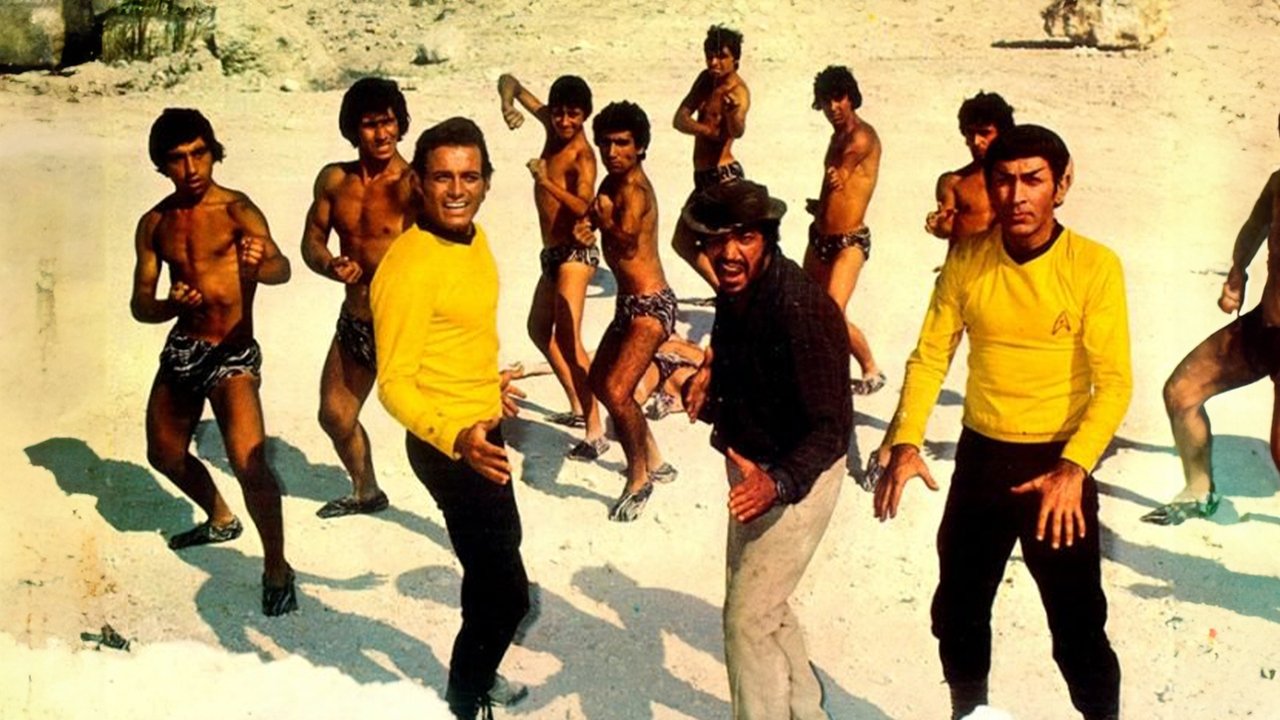
Turkey contributes three curiosities. Omer the Tourist in Star Trek, from 1973, drops Sadri Alışık's beloved tramp character Turist Ömer onto the bridge of a certain starship, where he baffles a pointy-eared science officer; made on a tiny budget, it has become a cult favourite around the world. Devil, My Friend is a musical comedy in which a struggling musician signs away his soul for fame and finds that people can outdo the devil. My Dreams, My Love, and You gives Türkan Şoray, the great star of Turkish cinema, a triple role as a film actress and two of her screen heroines, who step out of the pictures and into the life of a devoted admirer.
Music on the screen
The music guide gathers twelve titles in which music leads. Fiddlers, made in Moldova by Emil Loteanu in 1973, follows the leader of a travelling band of village musicians whose violin takes him from the steppe to the courts of Europe, while he searches for his first love. The music, played by real folk virtuosi, pours through every scene, and the film won admirers far beyond its home studio. Loteanu's earlier The Red Meadows accompanies shepherds driving their flocks to distant pasture. Melodii, melodii and Love at Zero Degrees are light entertainments full of the popular songs of their day. From Turkey, Longing stars the singer Emel Sayın as a performer who must choose between love and the stage, and Tears of Cem Karaca is a biography of the Anatolian rock singer.
Romanian films since 2000
Around 2001 a group of young directors, most of them graduates of the same Bucharest film school, began making short, exact, darkly funny films about ordinary lives, and festival juries took notice. The guide to Romanian films since 2000 follows the gentler side of that movement, which suits a family catalogue. The shorts came first. In Cigarettes and Coffee, by Cristi Puiu, a father made redundant two years before his pension meets his son in a restaurant to ask for help in finding a post; the film lasts thirteen minutes, is played in real time, and won the Golden Bear for short films at Berlin in 2004. Victor Rebengiuc plays the father. That same year Corneliu Porumboiu's A Trip to the City, in which a village teacher and a driver are sent to town to buy a computer for the town hall and a lavatory for the mayor, won a prize in the student section at Cannes.
The features that followed are small in scale and large in feeling. In Medal of Honor a pensioner of seventy-five receives, by clerical accident, a decoration for wartime bravery, and uses it to win back the respect of his wife and of his son abroad; Rebengiuc is superb. He returns in The Japanese Dog as Costache, a farmer who has lost his wife and his house to a flood and must learn to talk again to a son he has seen little of for years. Morgen, which took the special jury prize at Locarno, concerns a supermarket guard in a border town who gives shelter to a Turkish traveller trying to reach his family in Germany; the two share hardly a word of any language and become friends. Best Intentions watches an anxious son turn a hospital upside down when his mother is taken ill, and won prizes at Locarno for its director and its leading actor.
First of All, Felicia spends one long day with a woman who has missed her flight home to the Netherlands and must wait at the airport with her mother. I'm an Old Communist Hag, with the wonderful Luminița Gheorghiu, is a comedy about a retired factory worker who looks back fondly on her youth and prepares for a visit from her daughter and an American son-in-law. Quod erat demonstrandum, filmed in black and white, follows a mathematician in the 1980s who wishes to publish a theorem abroad. Metronom, which won the directing prize in its section at Cannes in 2022, is set in 1972: Ana is seventeen and in love, and at a party her friends decide to write a letter to a music programme on a forbidden radio station.
Several recent films are stories of memory and return. In Octav an elderly man played by Marcel Iureș comes back to the family house and finds his childhood waiting in the garden. Iureș also leads The Phantom Father, in which an American professor travels through Bucovina in search of his family's past and of an old cinema projectionist. Cărturan gives Teodor Corban one of his last great roles as a grandfather with little time left who must settle the future of his grandson. Back Home, Summer's Over, Roxanne and Puzzle are quiet dramas of the same kind, and Beside Me gathers the passengers of a stalled underground train on a morning when the whole city is in shock. The Bear is a comedy about circus artists who refuse to part with their elderly bear, and Domestic a wry portrait of the people and animals who share a block of flats.
Short films
Nine films run for forty minutes or less, and the short films guide lists them by length. Besides the two prize-winners above there are Liviu's Dream, an early film by Porumboiu; Alexandra by Radu Jude, in which a divorced father notices that his small daughter has stopped calling him Daddy; and Jude's later The Potemkinists, an eighteen-minute comedy in which a sculptor proposes a monument to the mutinous sailors who were given asylum in Romania in 1905. In Superman, Spider-Man or Batman, which won the European Film Award for short films, a five-year-old sets out with his father to rescue his mother the way the heroes in his comics would. Mihai and Cristina is a fifteen-minute teenage adventure, Horse Power a story of friendship and a motorcycle kept in a tenth-floor flat, and Zimnicea a reconstruction of a town on the day of the great earthquake of 1977. Three of them together make a varied evening.
Romanian series
Eight Romanian television series are on ClickSud, and the Romanian series guide introduces them. Las Fierbinti towers over the rest. Since 2012 it has told the small daily dramas of a village on the plain a short drive from Bucharest: the mayor Vasile and his schemes, the policeman Robi who would rather avoid trouble, the bar where every piece of gossip is examined, and the inseparable friends Giani and Bobiță, forever one clever idea away from prosperity. The humour is broad and affectionate, the characters have barely aged, and after thirty seasons the series remains among the most watched programmes in the country. From the same producers, Stair B moves the formula to one staircase of a city block, home to a grumpy pensioner, a devoted family man, two bachelors, a self-taught kung fu master and two lively students.
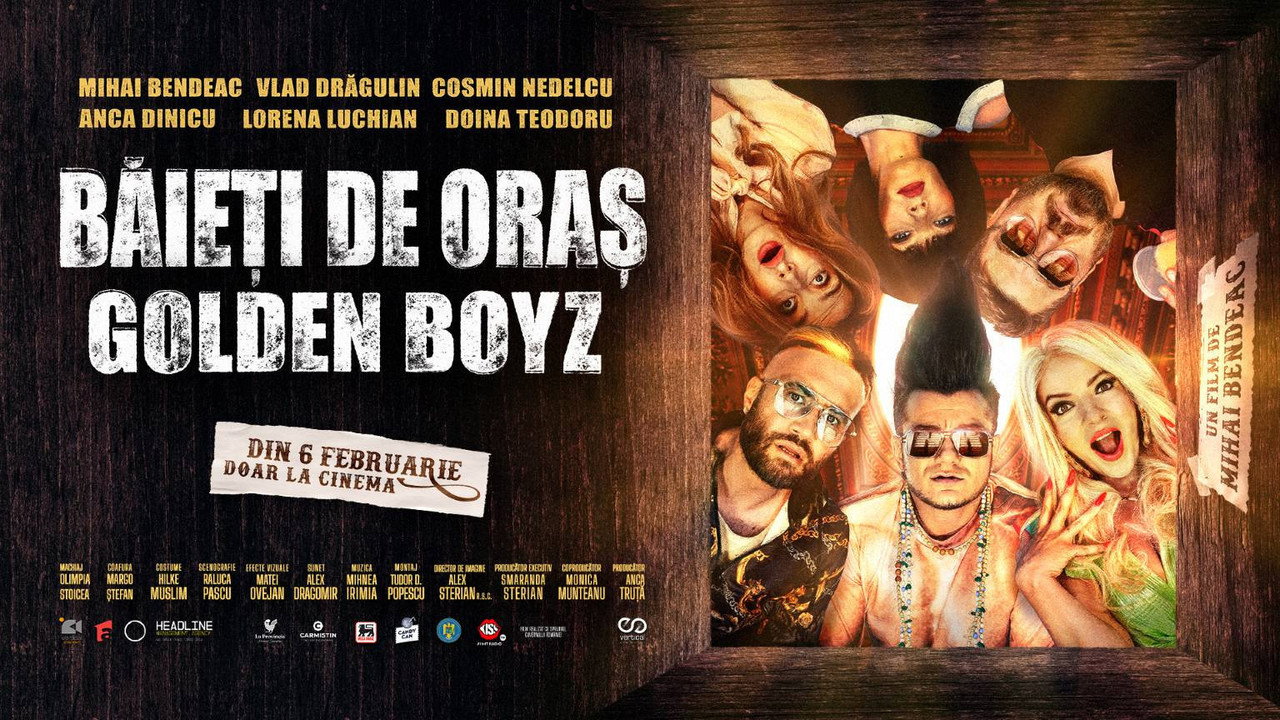
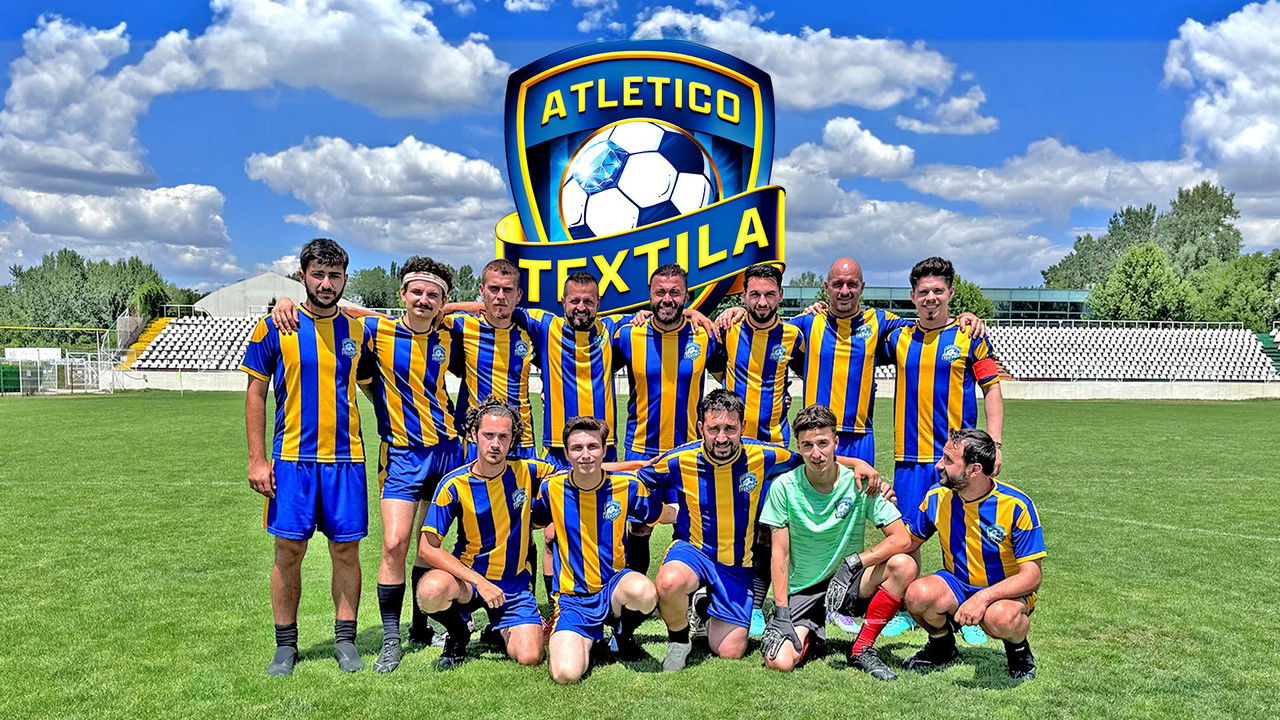
Atletico Textila is a football comedy: the owner of a hopeless fourth-division club is obliged to step aside, and his wife, who knows little about the game and a good deal about people, takes over. It ran for five seasons. Băieți de oraș, created by the comedian Mihai Bendeac, follows four young men about town with more confidence than sense. In Congrats, father! four men of very different backgrounds become friends at the gate of their children's kindergarten, and Lasă-mă, îmi place ! Camera 609 builds a farce on mistaken affections and a will with an unusual condition. Ruxx, made for a streaming service in eight episodes, is a modern comedy-drama about a capable woman in her thirties whose plan to leave Bucharest is interrupted by a mayoral campaign. Ana, You're in My DNA is a family saga about a young woman searching for her origins.
Turkish series
Fifteen Turkish series appear here, and the Turkish series guide gives an order in which to try them. Turkish television drama, known at home as dizi, has a form of its own. Episodes commonly run for two hours or more, a season may hold thirty or forty of them, and stories are told at a stately pace with long looks, sweeping music and magnificent locations. Viewers in Romania took to them years ago, and evening schedules there still make room for several at once.
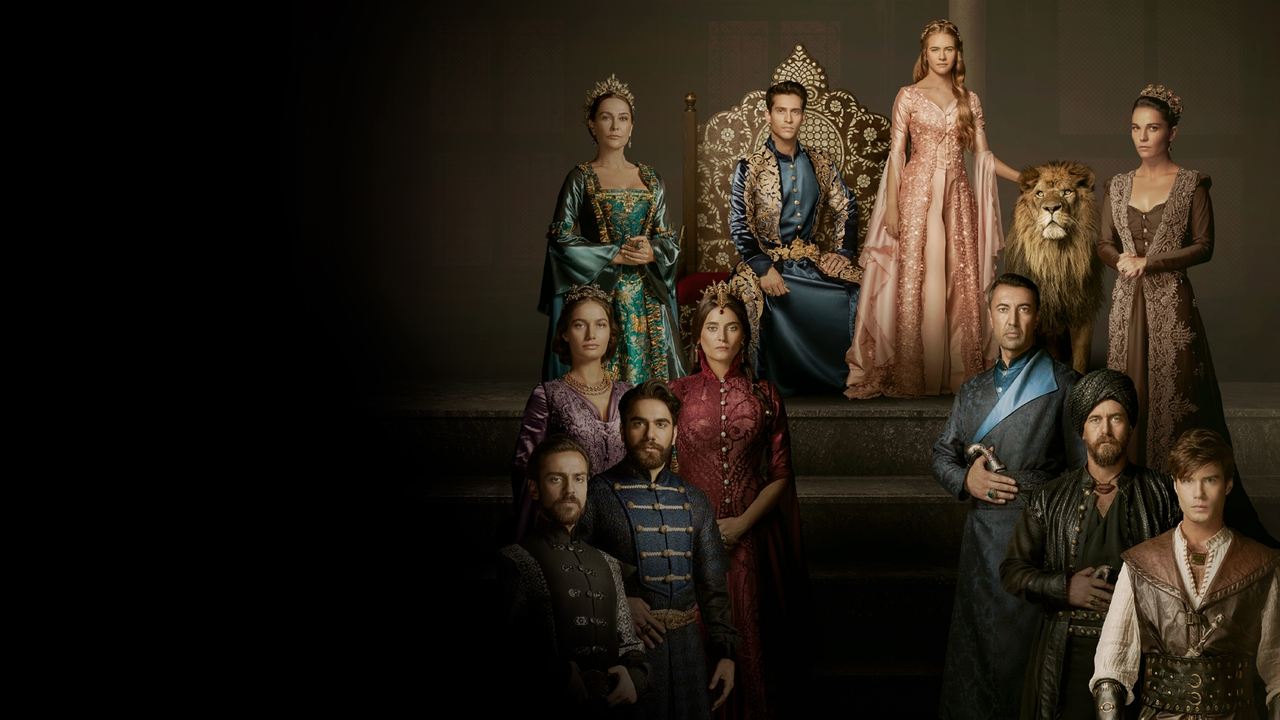
The Magnificent Century is the series that carried the form around the world. Over four seasons and 139 episodes it follows the reign of Süleyman the Magnificent, the sixteenth-century sultan under whom the Ottoman Empire reached its height, and the rise of Hürrem, a captive from the north who became his wife and the most powerful woman at court. Halit Ergenç plays the sultan and Meryem Uzerli the young Hürrem. The costumes, the jewels and the recreated halls of Topkapı Palace set a new standard for television spectacle, and the palace rivalries are played as grand family drama. Its successor, Magnificent Century: Kösem, moves on a generation to another remarkable woman, who arrived at the palace as a girl and came to govern the empire as regent.
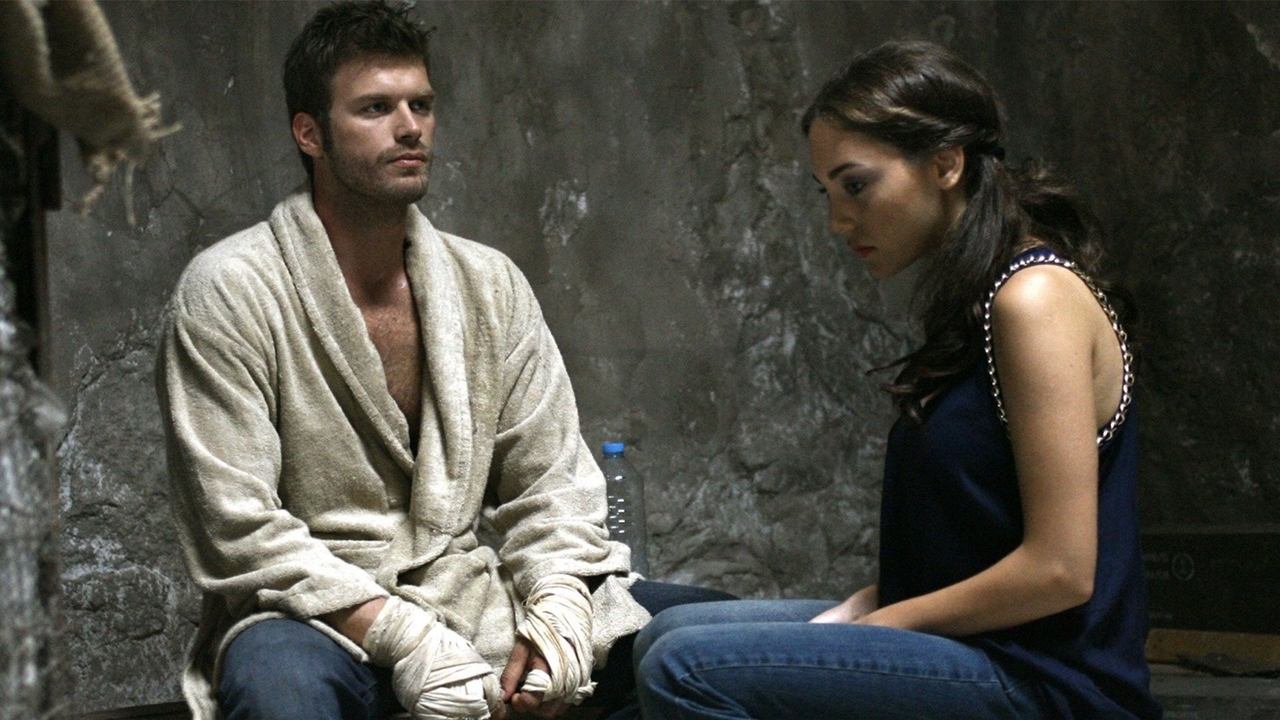
Hercai, named after the pansy, is set among the stone mansions of Midyat in the south-east. Miran has been raised to settle an old score between two families and marries Reyyan as part of the plan; then he falls in love with her, and three seasons are spent mending what the first episodes broke. Ebru Şahin and Akın Akınözü became stars in every country where it was shown. North South sets two brothers of opposite character, the hot-headed Kuzey and the careful Güney, in love with the same girl; Kıvanç Tatlıtuğ's performance as Kuzey is among the most admired in Turkish television. The Karadag Family is a saga of a father, his sons and the landowners of their village.
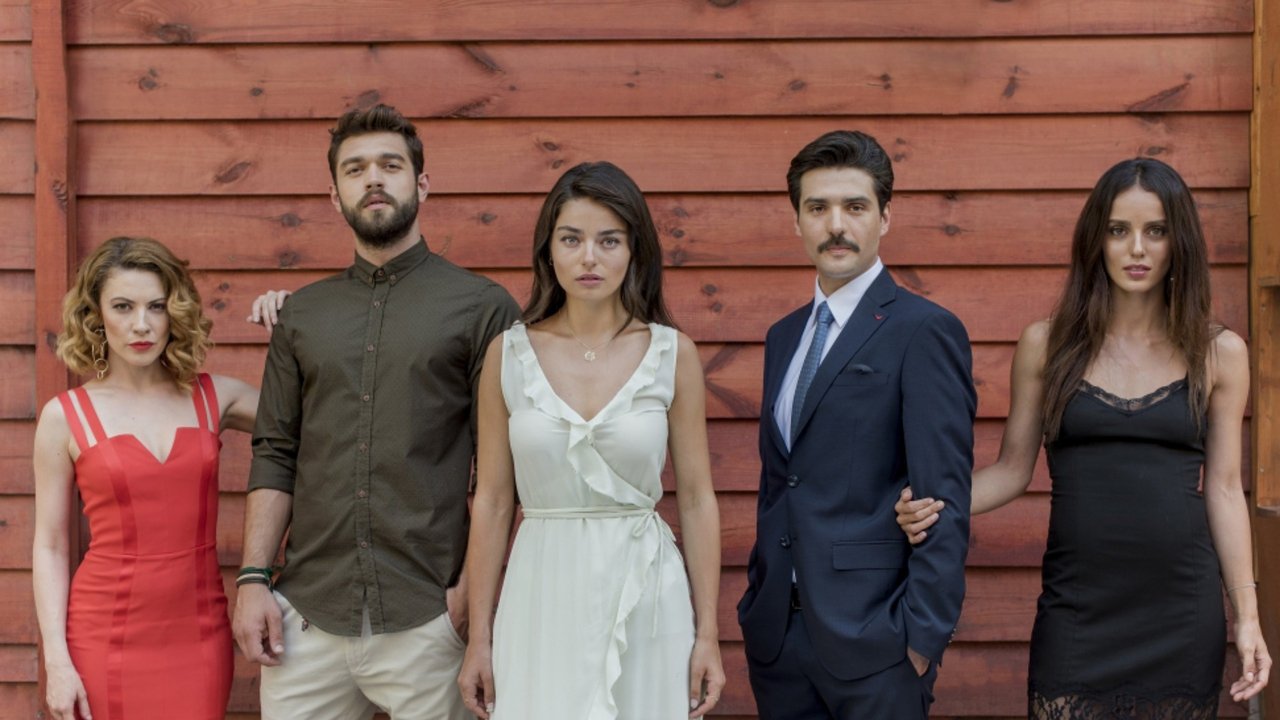
Romance leads in Siyah İnci, with Tolgahan Sayışman and Hande Erçel as a fisherman and his fiancée parted on the eve of their wedding; in Zemheri, whose lovers are divided by an accident that sets their families at odds; in A Love Story, a Turkish version of a celebrated Korean drama about a young man raised in Germany who returns to Istanbul; and in Tales of Innocence, in which a trusting young woman is caught between two determined men after a road accident. Gülcemal, Leyla and My Wonderful Life are recent successes built on secrets from childhood. Several of these stories turn on feuds and old grievances between families, played in the heightened manner of the form, and suit teenagers and adults better than small children.
Shorter series made for streaming show another side of Turkish television. Museum of Innocence, in nine episodes, adapts the novel by the Nobel laureate Orhan Pamuk: in the Istanbul of the 1970s a young man from a wealthy family falls for a shop assistant, and spends the rest of his life collecting the objects she has touched. Between the World and Us is a contemporary comedy-drama with Demet Özdemir as a woman who invents an online rival to test her actor boyfriend, and Wild Abandon follows an architect in a midlife muddle who rediscovers the punk he used to be.
Turkish films
Thirty-eight Turkish films complete the catalogue, and the Turkish films guide divides them by period. The popular cinema of the sixties and seventies is called Yeşilçam, after the Istanbul street where the producers kept their offices. At its peak it turned out some three hundred films a year, melodramas and comedies made at speed with a stock company of adored stars. Hülya Koçyiğit is the heroine of The Bride, the masterpiece of the director Lütfi Akad, in which a family from Anatolia opens a grocery in Istanbul and pins every hope on the shop while a young mother worries about her little boy's health; it is a serious and moving film for older viewers. She is lighter company in If Only Life Would Be Like a Feast, a Romeo and Juliet with a happy ending, in İşte Hayat, and opposite a small scene-stealer in Gülşah, about a motherless girl who sees off every nanny until one refuses to be beaten.
Comedy was Yeşilçam's daily bread. The Cunning Brothers and The Cunning Brothers in High Society pair Kadir İnanır with a succession of partners in tales of brothers on the make. Beş Milyoncuk Borç Verir misin stars the double act of Zeki Alasya and Metin Akpınar as flatmates who win a lottery. My Dear Uncle brings Tarık Akan from the village to stay with his sister's family in the city, and Talihli Amele and Ya Ya Ya Şa Şa Şa star İlyas Salman, the first as a bricklayer plucked from a building site to appear in advertisements, the second as a doorman whose son plays football in secret. Kemal Sunal, the most popular Turkish comedian of all, plays a wealthy miser in Varyemez.
The eighties added films of conscience. In The Horse, a father and his young son come to Istanbul to sell vegetables from a handcart in the hope of paying for the boy's schooling; it won prizes abroad and is unsentimental and humane. Öğretmen Kemal stars Cüneyt Arkın, better known for swordplay, as a teacher sent to open a school in a remote village against the wishes of the local landowner. Muleteers crosses a snowbound mountain pass with three villagers, four soldiers and a journalist. Mavi Gözlü Dev portrays the poet Nâzım Hikmet in the years when he wrote some of his finest verse.
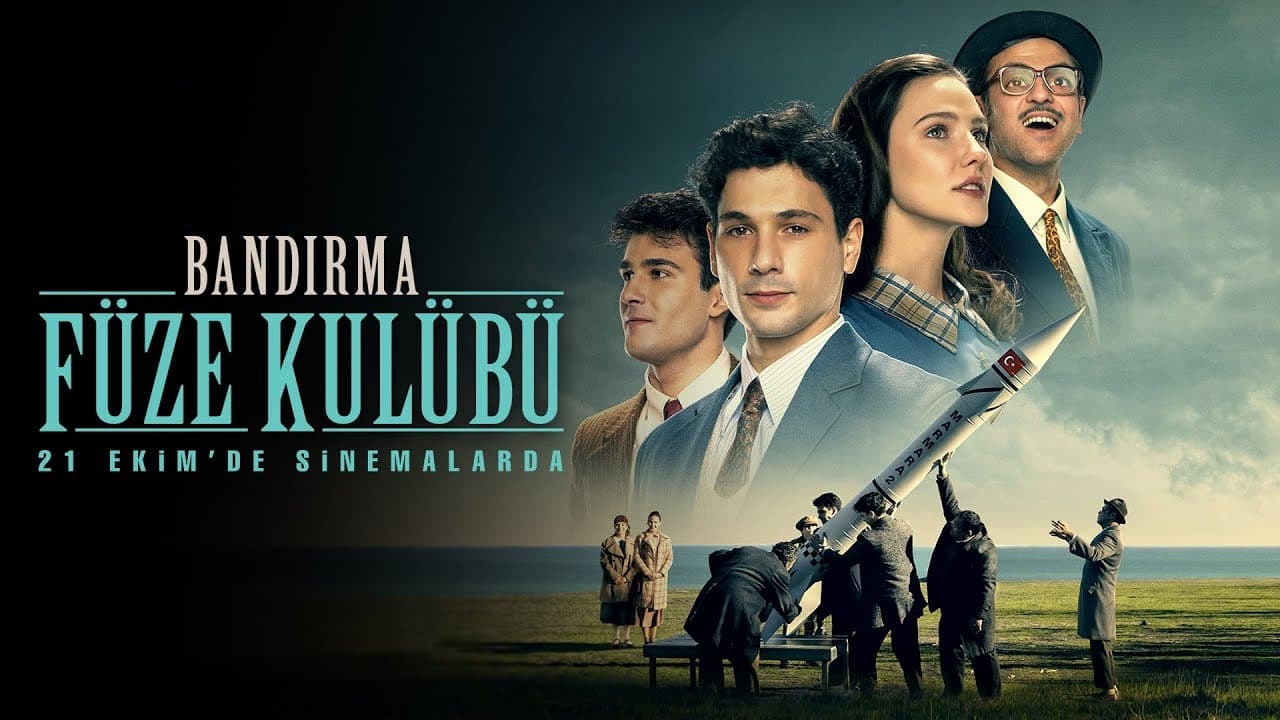
From this century come Güle Güle, in which five elderly friends on an island conspire to send one of their number on the journey of his dreams; Our Grand Despair, about two bachelors in their thirties whose calm routine is upset when a friend's young sister comes to stay; Anatolian Eagles, a tale of air force cadets; Ali's Eight Days, a neighbourhood love story; and The Announcement, a deadpan comedy about a group of officers in 1963 who need a radio station and a working microphone. Snow Pirates follows three boys hunting for coal during a bitter winter in the eastern city of Kars, and Bandırma Füze Kulübü a group of provincial schoolchildren of the 1950s who decide to build a rocket. You Me Lenin begins when the sea delivers a wooden statue to a Black Sea town, and Anatolian Leopard with a lonely zoo director guarding his oldest resident. Love Me Instead and Abandoned Man are warm dramas about fathers, uncles and the children who change them, and 3391 Kilometers, Stay With Me and Bir Nefes Yeter are modern romances.
Two industries in brief
A little history helps to place the titles. Romania built its national studios at Buftea, on a lake outside Bucharest, in the 1950s, and for forty years nearly every feature film in the country passed through their sound stages and workshops. The state paid for production and decided what reached the screen, which produced a steady supply of historical pageants and factory dramas, and also, because talented people will find a way, a line of comedies, literary adaptations and children's films of real quality. Cinema attendance was among the highest in Europe; a popular adventure such as Yellow Rose or a comedy such as Autumn of the Goslings was seen by millions, and a ticket cost less than a loaf of bread. After 1989 the system fell away and production shrank to a handful of films a year, until the generation of Cigarettes and Coffee and A Trip to the City rebuilt the national cinema from the short film upwards.
Turkey's story runs the other way. Its popular cinema grew up privately, financed film by film by regional distributors who asked for particular stars and particular kinds of story, and by the early seventies only a few countries in the world made more films. Television arrived late and, when private channels opened in the 1990s, absorbed the stars, the writers and the appetite for melodrama. The long weekly dramas that resulted are Yeşilçam's true heirs: Hercai and Siyah İnci tell the same kind of story as If Only Life Would Be Like a Feast at fifty times the length. Today the country is among the largest exporters of television drama anywhere, and Romania, where Turkish series have filled evening schedules since the late 2000s, was one of the first places to fall for them.
The two traditions share more than a border region and a taste for strong coffee. Both love a village comedy, both treasure their character actors, and both return constantly to the family as the place where every story begins and ends. A viewer who enjoys Las Fierbinti will feel at home in Güle Güle, and an admirer of The Bride will recognise the world of Beyond the Bridge.
Faces and names to follow
One pleasure of a national cinema is the company of actors who turn up again and again, and the search field on ClickSud accepts a name as readily as a title. Victor Rebengiuc is the thread that runs through the whole Romanian catalogue. He is a young man in Darclée in 1960, a ruthless landowner in A Summer Tale, a surgeon in Sand Cliffs, a king in The Secret of the Secret Weapon, and in old age the father of Cigarettes and Coffee, the pensioner of Medal of Honor and the farmer of The Japanese Dog. Few actors anywhere have had a career so long and so fine.
Toma Caragiu, lost in the earthquake of 1977, was the best-loved comedian of his day and may be seen in Operation 'The Monster', The Premiere, The Loneliness of Flowers and The Prodigal Father. Octavian Cotescu is beside him in the first of those and leads the circus family in Circus Performers at the North Pole. Draga Olteanu Matei is Varvara in the Goslings comedies as well as Chirița. Florin Piersic is the hero of every adventure worth the name, and also the prince of The White Moor and the rejuvenated professor of The Youth Elixir. Mircea Diaconu, with his rueful, intelligent face, grows from the young doctor of Red Apples and the youngest brother in the Transylvanian western to the father of the bride in In-laws. Sebastian Papaiani is the cheerful leading man of the sixties comedies, and Dem Rădulescu the booming voice of authority in a dozen farces.
Among directors, follow Dan Pița for moral dramas, Mircea Daneliuc for satire, Alexandru Tatos for humane stories of provincial life, Elisabeta Bostan for children's films, Ion Popescu-Gopo for fantasy, Dinu Cocea for outlaws and Geo Saizescu for comedy. In Turkey the names to know are Atıf Yılmaz, who directed İşte Hayat, Talihli Amele, Devil, My Friend and My Dreams, My Love, and You in a career of more than a hundred films, and Zeki Ökten, who made Longing, My Dear Uncle and, a quarter of a century later, Güle Güle.
A note for parents
Most of the catalogue can be watched by all ages together, and the comedies, fairy tales and adventures need only the usual word about staged sword fights. A number of dramas are better kept for teenagers and adults because of their subjects. Reconstruction, Jacob, The Stone Wedding and The Bride deal with hardship and loss. Cărturan, Faust XX and Copacul Dorințelor: Amintiri din Copilărie touch on serious illness, the last of them gently and for a young audience. Metronom, Quod erat demonstrandum and Roxanne recall the surveillance of the years before 1989 and are best watched with someone who can explain the period. The longer Turkish series are built on family quarrels and are aimed at viewers of secondary school age and above.
Language is worth a thought as well. Nearly every title here was made in Romanian or Turkish, and the services listed by JustWatch usually offer subtitles; the choice of languages varies from one service and one country to the next and is shown on each service's own page. Older Romanian films have in recent years been restored and issued with English subtitles, and the Turkish series are widely available dubbed or subtitled in many languages.
Search, labels and My List
The menu bar leads to the four main shelves, Romanian series, Turkish series, Romanian films and Turkish films, and to the comedy and top rated lists. The search field answers as you type and accepts a title in English or in the original language, or the name of an actor or director. Beneath the rows on the home page the labels set out all twenty lists with the number of titles in each, and the finding titles page explains them together with the A to Z. To keep a title for later, press Add to My List on its page. The red My List button in the menu bar opens your saved titles; they are stored by the browser on your own device, and the My List page shows how to save the list to a file.
A fortnight with ClickSud
For a first fortnight, try one title from each shelf. A comedy: Operation 'The Monster'. A classic: The Long Drive or, for adults, Reconstruction. An adventure: Yellow Rose. A fairy tale: Kingdom in the Clouds. A book on screen: Felix and Otilia. A recent film: The Japanese Dog. A Romanian series: the first episodes of Las Fierbinti. A Turkish series: The Magnificent Century. A Turkish film: Güle Güle. Add an evening of three short films beginning with A Trip to the City, and the labels will suggest where to go next.
Questions and answers
Questions
What is ClickSud?
ClickSud is a guide to 226 Romanian and Turkish films and series from 1960 to 2026, each with its story, cast and a Watch now button to the official services that carry it.
Which title should I watch first?
Start with the comedy Operation 'The Monster', the village series Las Fierbinti or the palace drama The Magnificent Century.
Is the catalogue suitable for families?
Yes. Every summary was read by hand, and reality programmes, daily serials, crime stories, horror and adult dramas were left out. A note in the guide lists the few dramas better kept for older viewers.
Which Romanian comedies are the best known?
Operation 'The Monster', Autumn of the Goslings, A Lost Letter, The Nest of Wasps and the two Chirița films are favourites across generations.
Which Turkish series are included?
Fifteen, among them The Magnificent Century, Magnificent Century: Kösem, Hercai, North South and Museum of Innocence.
Are the films subtitled?
ClickSud is a guide, and each Watch now button opens JustWatch, where every listed service shows the languages and subtitles it offers in your country.
How does My List work?
Press Add to My List on any title page. The list is kept by the browser on this device, and the list page can write it to a file.
Does ClickSud host films or episodes?
ClickSud is a guide only. Every Watch now button opens JustWatch, which lists the official streaming, rental and purchase services for your country.
